

Kazakhstan has launched a new housing renovation mechanism aimed at modernizing the country’s aging residential buildings and improving urban infrastructure.
The updated housing renovation framework introduces a market-based approach designed to replace unsafe and deteriorating apartment buildings. Renovation is now viewed not only as the demolition of old structures but as a comprehensive urban development project that includes upgrading utility networks, improving public spaces, and enhancing residents’ quality of life.
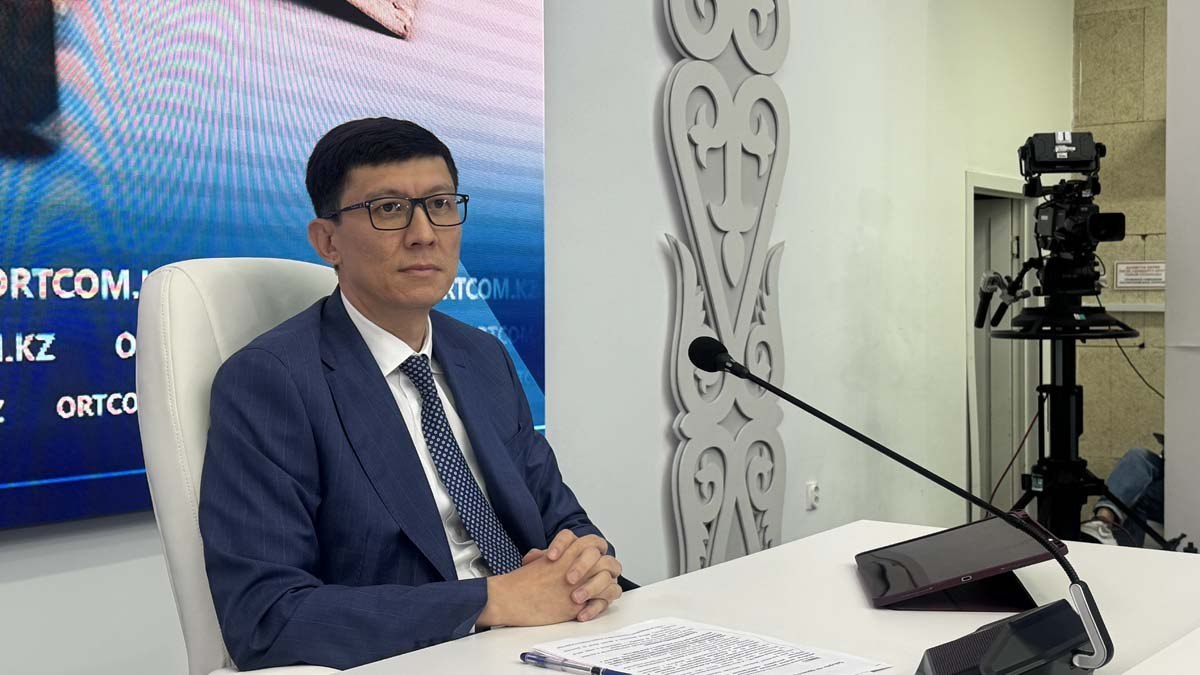
The announcement was made by Kanat Mynbayev, Deputy Chairman of the Construction and Housing and Utilities Committee under the Ministry of Industry and Construction of Kazakhstan, during a briefing at the Central Communications Service.
According to Mynbayev, Kazakhstan currently has around 4,200 aging and unsafe apartment buildings. Renovating the entire housing stock is expected to require approximately 3.2 trillion tenge in investment.
As part of President Kassym-Jomart Tokayev’s election program, the government plans to provide new housing for nearly 40,000 apartment owners. To support the initiative, amendments have been introduced to the Land Code, the Construction Code, and housing legislation.
Kazakhstan has also launched a new market mechanism that allows private investors to participate in renovation projects under guarantees provided by the Unified Housing Construction Operator.
“The key advantages of the new mechanism include protecting residents’ rights through guarantees from the Unified Housing Construction Operator, attracting private investment while reducing pressure on the state budget, renewing the housing stock, and creating a modern and comfortable urban environment,” Mynbayev said.
Local governments will play a central role in implementing the renovation program by compiling lists of residential buildings eligible for redevelopment in accordance with approved regional renovation plans.