

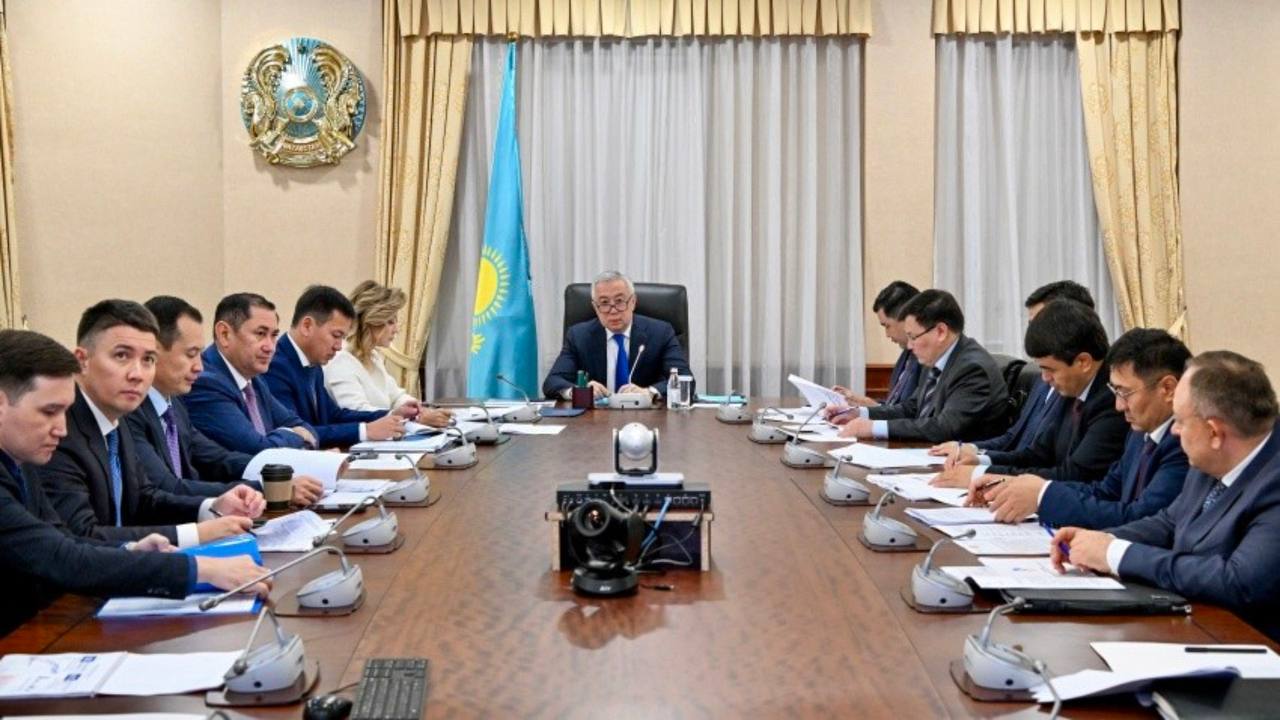
For the first time since the beginning of the year, the average price index for socially important food products declined by 0.1% over the first three weeks of July. The figures were presented at a meeting on food price stabilization and inflation chaired by Deputy Prime Minister and Minister of National Economy Serik Zhumangarin.
According to the meeting, annual inflation stood at 10.3% in June, down from 10.4% in May. Inflation remained above the national average in 11 regions of Kazakhstan, with the highest rates recorded in the Zhetysu, Ulytau, North Kazakhstan, and Akmola regions.
First Vice Minister of Trade and Integration Aizhan Bizhanova noted that July and August traditionally mark a period of seasonal price stabilization for essential food products. Over the past week, the sharpest price declines were recorded for tomatoes (15.1%), cucumbers (18.2%), carrots (5.2%), and eggs (2.4%). At the same time, prices continued to rise for certain meat products, including lamb (2%), horse meat (1.3%), and minced meat (0.6%).
In response, Serik Zhumangarin instructed officials to conduct a comprehensive analysis of Kazakhstan’s meat and meat products market, taking into account production volumes, domestic consumption, and export supplies in order to determine the Government’s next steps.
One of the key measures aimed at ensuring long-term price stability will be expanding domestic production and increasing government support for local producers. By the end of the year, three vegetable oil refining plants are expected to begin operations, increasing the supply of sunflower oil on the domestic market.
A new regulatory act providing preferential electricity tariffs for 40 bakery enterprises will also come into force in the near future. The measure is expected to reduce production costs and help keep bread and bakery product prices stable.
In addition, Kazakhstan Temir Zholy National Company JSC is providing a 70% discount on domestic railway transportation of socially important food products. Local executive authorities have been instructed to monitor these shipments and ensure that businesses receiving state support comply with their commitments to prevent unjustified price increases.
Summing up the meeting, Serik Zhumangarin instructed government agencies and regional administrations to strengthen targeted engagement with market participants.
“Every significant increase in prices must be examined throughout the entire supply chain, and the causes of price growth must be addressed. I instruct the relevant ministries and regional authorities to hold meetings with the country’s largest wholesale suppliers and importers, identify existing barriers, and develop the necessary government support measures, provided that businesses commit to maintaining price stability. The same systematic approach should also be applied to non-food goods and paid services, taking into account the specifics of each market. Every government body must ensure the implementation of these measures within its area of responsibility,” Zhumangarin said.
Later that day, the Deputy Prime Minister also held a separate meeting with the Ministry of Science and Higher Education and the Ministry of Education to discuss measures aimed at stabilizing the cost of educational services.