

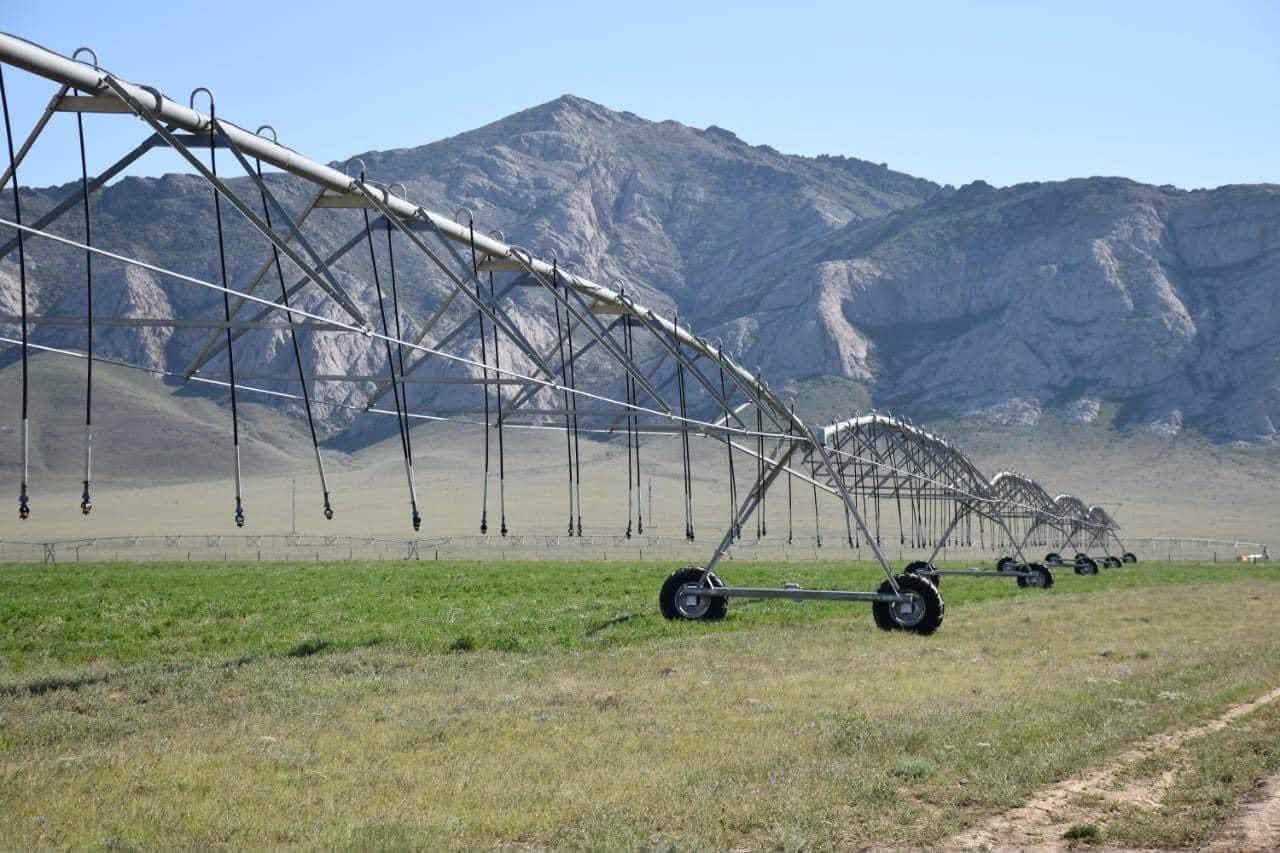
The Turkistan Region is implementing a large-scale transformation of its agricultural sector by focusing on deep processing, value-added production, and modern industrial development.
The initiative follows the instructions of President Kassym-Jomart Tokayev to modernize Kazakhstan’s agro-industrial complex, strengthen domestic production, and boost rural economic growth.
The regional strategy is centered on the development of three major agricultural clusters: a cotton-textile cluster, a corn processing cluster, and a meat production cluster. Together, these projects are expected to create thousands of jobs, expand exports, and establish a complete value chain from raw materials to finished products.
Cotton-Textile Cluster
The cotton-textile cluster is designed to create a fully integrated production cycle—from cotton cultivation and processing to yarn manufacturing, fabric production, and garment manufacturing.
Five major investment projects worth 201 billion tenge are currently underway and are expected to create 7,000 new jobs.
Once the cluster reaches full capacity, cotton yields are projected to double, reaching 60 centners per hectare.
Last year, the region commissioned:
- two cotton processing plants;
- two water-saving technology manufacturing facilities;
- one spinning mill.
Construction continues this year on additional enterprises specializing in fabric production, dyeing and finishing, garment manufacturing, and denim production. These investments are expected to transform Turkistan from a raw cotton producer into one of Kazakhstan’s leading textile manufacturing hubs.
Corn Processing Cluster
Another key project is the development of a modern corn processing industry.
Construction of the KazKrahmal processing plant, valued at 34 billion tenge, has been completed, and the facility is expected to begin operations soon.
The plant will process 150,000 tons of corn annually, producing 26 different products through deep processing technologies.
The project will improve the efficient use of agricultural raw materials, support import substitution, and create new employment opportunities.
By 2030, the region also plans to expand corn cultivation from 40,000 hectares to 70,000 hectares, significantly increasing production capacity and strengthening the regional agro-industrial sector.
Meat Production Cluster
Turkistan Region is also investing heavily in industrial livestock production to increase meat output and expand export opportunities.
Several large meat production complexes are already operating, including:
- Kaz Eco Meat;
- Turkestan Agro;
- Karkyn Trade;
- Beskara.
These projects are expected to add 83,000 tons of meat production annually. In 2025, the region produced 130,000 tons of meat.
A flagship project based on Australian technology is currently under construction—a 50,000-head cattle feedlot, one of the largest facilities of its kind in Central Asia. The complex is scheduled to begin operations in August.
Construction is also underway on a modern livestock trading exchange, which is expected to open before the end of the year.
In addition, a new poultry complex capable of producing 48,000 tons of poultry meat annually is being built.
Driving Economic Growth
When all three strategic clusters reach full capacity by 2027, Turkistan Region expects to generate an additional 447.5 billion tenge in agricultural output.
The projects are expected to:
- expand deep processing of agricultural products;
- launch new manufacturing facilities;
- create employment in rural communities;
- increase export volumes;
- strengthen the region’s long-term economic sustainability.
By combining modern production technologies with value-added processing, Turkistan Region is positioning itself as one of Kazakhstan’s leading centers of agricultural and industrial development, creating new opportunities for economic growth and investment.